
Sustainable Greenhouse Hydroponics 2026: Future of Indoor Farming
Hydroponic cultivation has evolved from a niche experimental method into the backbone of global food security. As urban populations grow and arable land becomes scarce, modern growers are turning to climate-controlled environments. To succeed, a grower must balance technical precision with strategic financial planning to navigate the high entry costs of indoor agriculture.
1. Precision Nutrient Delivery and Automation
In 2026, the focus of hydroponics is the Root-Zone Environment. Advanced sensors now allow for real-time monitoring of Electrical Conductivity (EC) and pH levels. By automating the delivery of macro and micro-nutrients, farmers can achieve growth rates 30% faster than traditional soil-based methods while using 90% less water.
2. Managing High-Stakes Agricultural Investments
The primary challenge for greenhouse operators is the significant upfront capital required for LED lighting, HVAC systems, and automated dosing stations. Because these facilities house high-value equipment and crops, protecting the investment is as important as the harvest itself.
Grower's Financial Resource: Managing a high-tech facility involves complex risks, from equipment failure to market volatility. To understand how to protect high-value business assets and navigate financial stakes, explore this guide:
High Net Worth Individuals: High Stakes in Investment Protection
3. Vertical Stacking and Space Optimization
Traditional horizontal greenhouses are being replaced by vertical farming systems. By utilizing "A-Frame" or "Tower" hydroponics, growers can triple their output per square foot. This structure is particularly effective for leafy greens and herbs, allowing for year-round production regardless of external weather conditions.
4. Biological Pest Management in Closed Loops
Even in a controlled greenhouse, pests like spider mites and fungus gnats can be devastating. Modern sustainable practices favor "Bio-Integrative" solutions. Introducing predatory insects like Phytoseiulus persimilis ensures that the crop remains pesticide-free and organic-compliant, which commands a premium price in local markets.
Resource Note: Ensuring your facility is covered against liability and crop loss is a cornerstone of a sustainable business model. For more on safeguarding your professional ventures, visit The Insurance Guidebook.
5. Energy Efficiency and Solar Integration
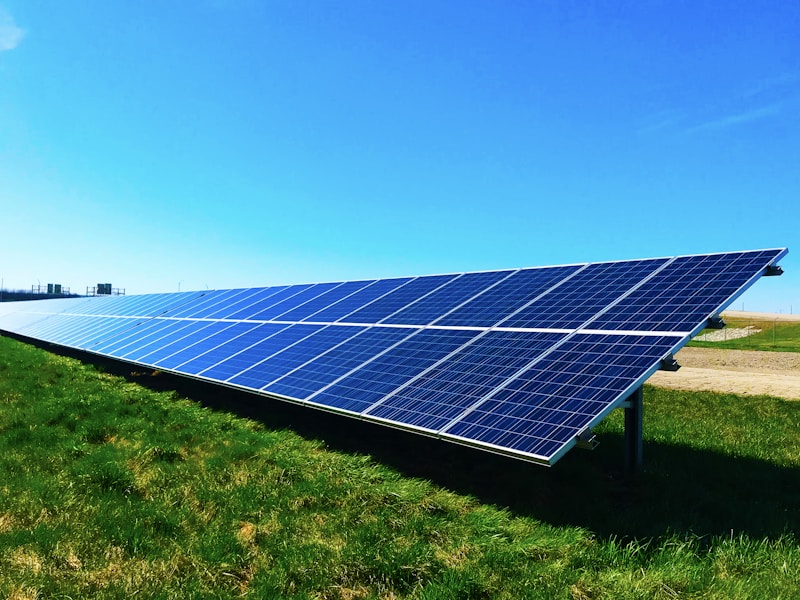
The "Green" in greenhouse farming now refers to energy as well. With the rising cost of electricity, 2026 farmers are integrating semi-transparent solar panels into the glass of their structures. This captures UV energy to power the water pumps and ventilation systems, significantly reducing overhead costs.
6. Conclusion: The Tech-Driven Cultivator
To thrive in the modern hydroponics industry, one must be part engineer, part biologist, and part financial manager. By adopting high-efficiency growth systems and securing your physical and financial assets, you can build a farm that is both environmentally sustainable and highly profitable.
For more professional guides on business management and resource protection, stay tuned to our partner updates at The Insurance Guidebook.
